
In Stock
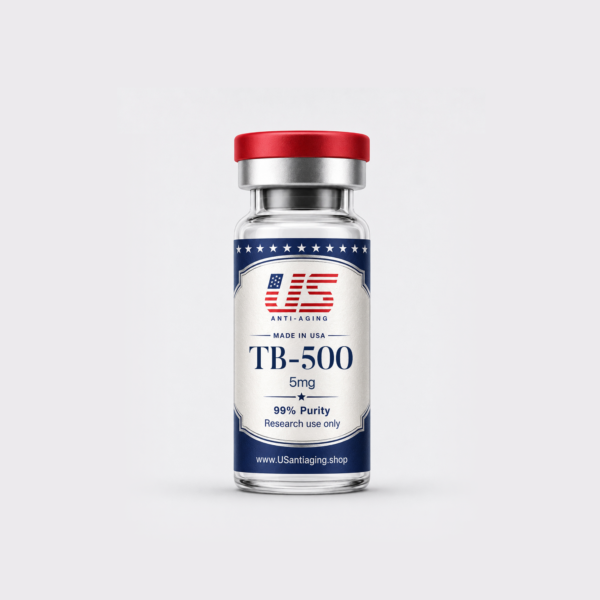
TB-500 5 mg
Category
- High Purity: Precision-engineered for metabolic research.
- Research Focused: Optimized for appetite regulation studies.
- Fast Shipping: Free delivery on orders over $250.
SecureCheckout
100% AuthenticProducts
30-DayReturn Policy
Product Description
Overview
TB-500 is a synthetic peptide based on a naturally occurring protein fragment known as Thymosin Beta-4 (Tβ4). This peptide originates from research into thymic proteins and their role in cellular communication and tissue biology. Thymosin Beta-4 is naturally found in many tissues throughout the body and has been widely studied for its involvement in cellular migration, cytoskeletal organization, and tissue signaling mechanisms.
Because of its role in actin regulation and cellular movement, TB-500 has attracted significant interest in laboratory research involving tissue remodeling, angiogenesis, and regenerative cellular processes. Researchers continue to explore the biological pathways through which thymosin-related peptides influence cellular behavior and structural tissue organization.
Research Areas of Interest
Tissue Repair and Regeneration Research
TB-500 has been studied in experimental models investigating tissue repair signaling pathways. Preclinical studies suggest the peptide may influence processes related to:
-
cellular migration
-
epithelial cell growth
-
collagen deposition
-
tissue remodeling mechanisms
These processes are considered important in research examining how biological systems respond to tissue injury.
Angiogenesis and Vascular Development
Researchers have also examined TB-500 in studies involving angiogenesis, the formation of new blood vessels. Experimental findings suggest the peptide may interact with signaling pathways involved in vascular development and tissue oxygenation.
These investigations focus on understanding how thymosin-related peptides participate in biological systems responsible for restoring damaged tissues.
Musculoskeletal and Cellular Movement Research
TB-500 has attracted attention in research involving muscle tissue biology and cellular motility. Because Thymosin Beta-4 is known to interact with actin, an essential component of the cellular cytoskeleton, scientists are investigating how TB-500 may influence:
-
cytoskeletal organization
-
cell migration and adhesion
-
muscle tissue remodeling processes
These mechanisms are important areas of study in regenerative and cellular biology research.
Cardiovascular and Cellular Signaling Research
Experimental models have also explored how TB-500 may interact with signaling pathways involved in cardiovascular tissue biology and vascular cell communication. Research continues to examine how thymosin-derived peptides may influence gene expression pathways associated with cellular repair mechanisms.
Hair Follicle and Tissue Growth Research
Additional research has examined TB-500 in experimental models involving hair follicle biology and tissue growth signaling. Laboratory studies have investigated how the peptide may influence cellular pathways associated with follicle development and tissue regeneration.
Ongoing Areas of Investigation
Current research involving TB-500 includes studies related to:
-
tissue repair and regeneration signaling
-
angiogenesis and vascular biology
-
musculoskeletal tissue remodeling
-
cytoskeletal and cellular migration pathways
-
regenerative cellular communication systems
These areas remain active fields of investigation in peptide and regenerative biology research.
Product Information
-
Compound: TB-500 (Thymosin Beta-4 peptide analogue)
-
Form: Lyophilized peptide powder
-
Grade: Research grade
-
Storage: Refrigerate at 2–8°C prior to reconstitution
-
Use: Laboratory research only
Related Peptides
Premium QualityEach batch is tested for purity and potency.
Research GradeFor laboratory research only.
Discreet ShippingSecure and reliable worldwide delivery.
Trusted WorldwideTrusted by researchers around the globe.