
Preclinical Studies: Research Methods, Experimental Models, and Evidence Limitations
Preclinical studies are scientific investigations conducted before human clinical trials to evaluate biological activity, potential toxicity, and the behavior of experimental compounds. Researchers use laboratory assays, cell cultures, computational models, and animal studies when appropriate to identify potential risks and establish whether further investigation is justified. These studies provide essential evidence during drug development. However, […]
In Vitro vs In Vivo: Key Differences, Research Methods, and Scientific Applications
In vitro vs in vivo describes two fundamental approaches to scientific research. In vitro studies investigate biological processes outside living organisms, typically using cultured cells, isolated tissues, or biochemical systems. In contrast, in vivo studies examine biological responses within living organisms, where multiple physiological systems interact. Both approaches provide valuable scientific information, but they answer […]
How Do Peptides Work? Biological Mechanisms, Receptors, and Cell Signaling
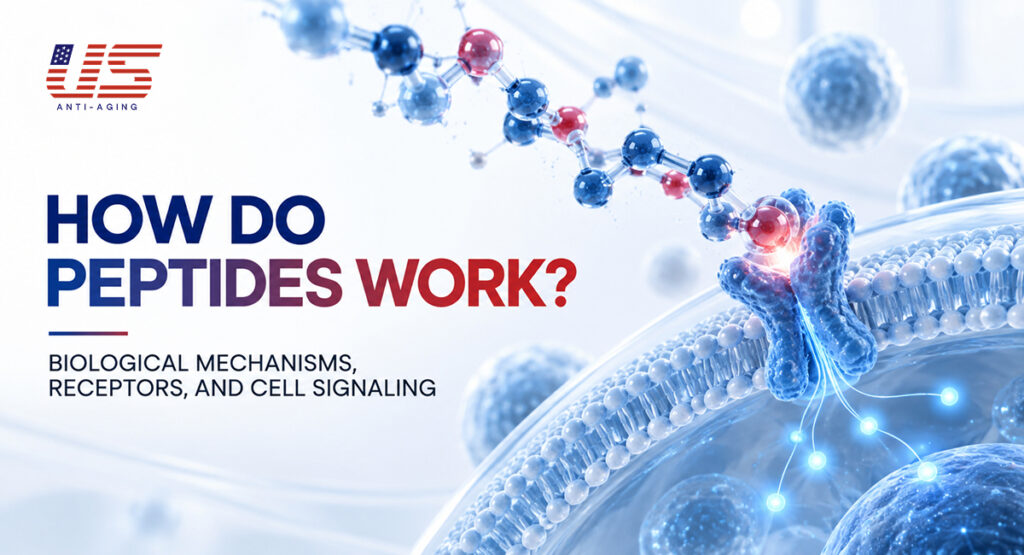
How do peptides work? Peptides function as biological messengers, signaling molecules, and regulatory components that influence how cells communicate and respond to their environment. Many peptides interact with specific receptors, triggering intracellular signaling pathways that regulate processes such as metabolism, cellular growth, and gene expression. However, their biological effects depend on molecular structure, receptor compatibility, […]