
Cell Signaling Pathways: How Cells Communicate and Respond to Molecular Signals
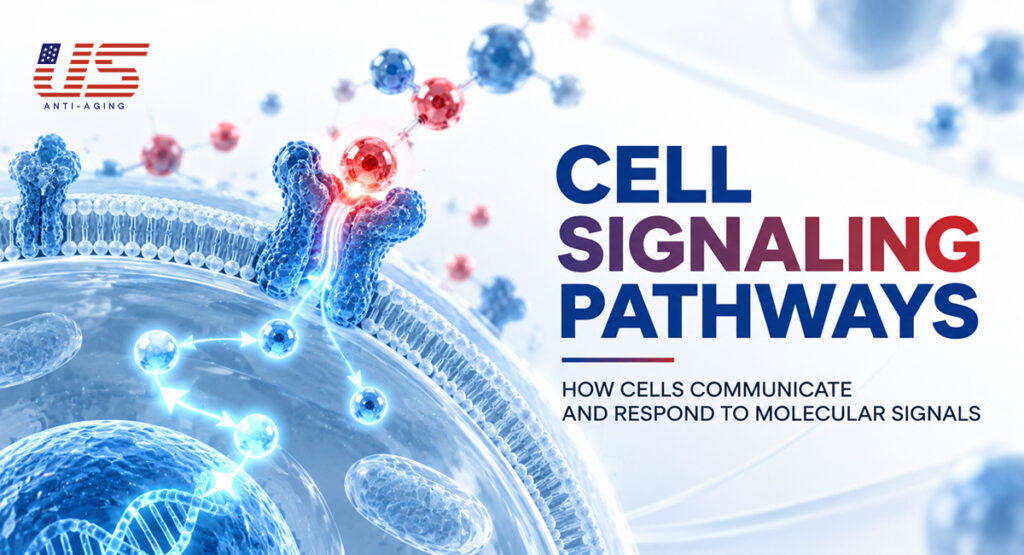
Cell signaling pathways are molecular communication networks that allow cells to detect signals, transmit information, and coordinate biological responses. These pathways involve receptors, signaling proteins, second messengers, and regulatory enzymes that convert chemical or physical stimuli into cellular activity. Through signal transduction, cells regulate processes such as metabolism, growth, differentiation, immune communication, and gene expression. […]
In Vitro vs In Vivo: Key Differences, Research Methods, and Scientific Applications
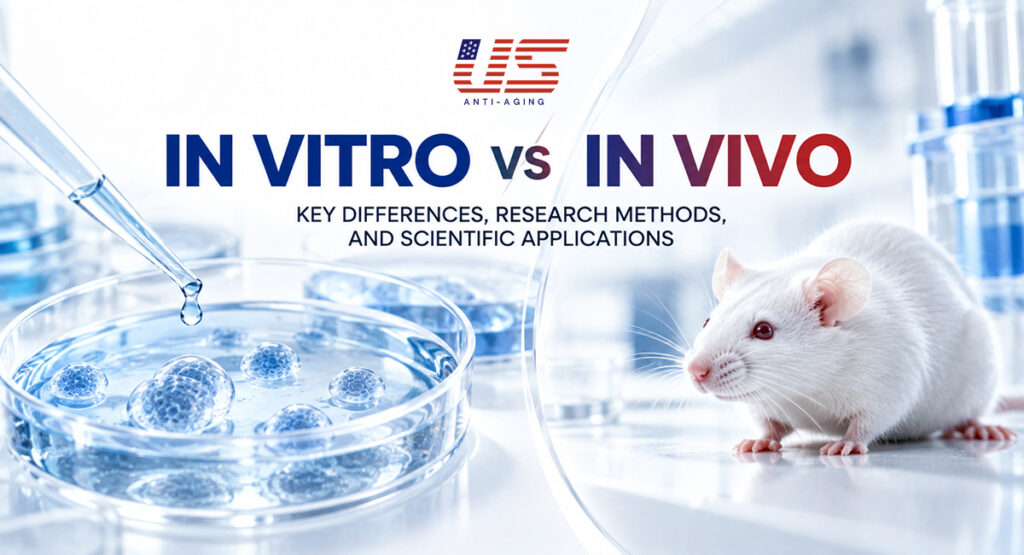
In vitro vs in vivo describes two fundamental approaches to scientific research. In vitro studies investigate biological processes outside living organisms, typically using cultured cells, isolated tissues, or biochemical systems. In contrast, in vivo studies examine biological responses within living organisms, where multiple physiological systems interact. Both approaches provide valuable scientific information, but they answer […]
Peptide Structure: Amino Acid Sequences, Peptide Bonds, and Molecular Organization
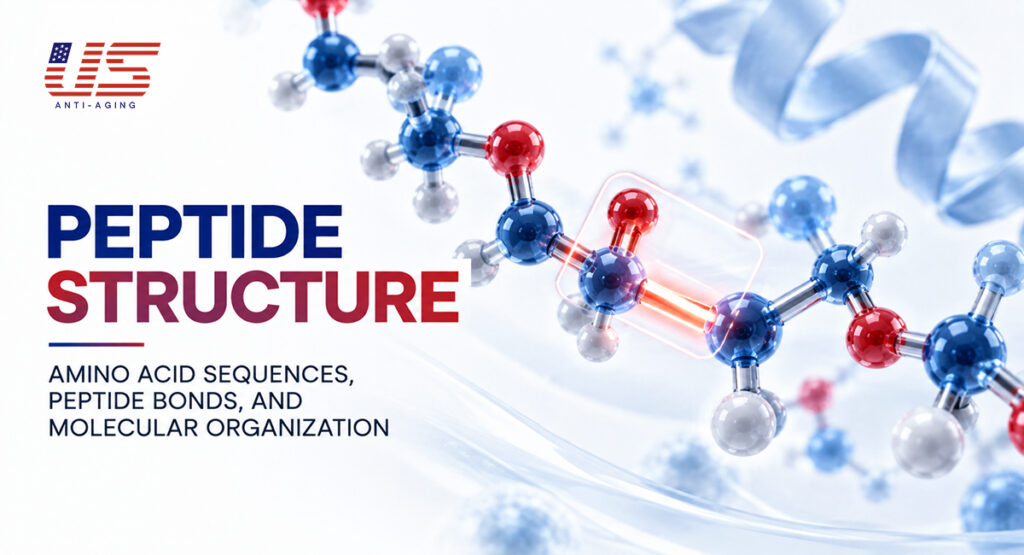
Peptide structure describes how amino acids connect through peptide bonds and organize into molecular shapes. Each peptide contains a specific amino acid sequence that influences its chemical properties, flexibility, stability, and three-dimensional configuration. These structural features determine how the molecule behaves under different biological and laboratory conditions. Scientists examine peptide architecture to understand molecular folding, […]
How Do Peptides Work? Biological Mechanisms, Receptors, and Cell Signaling
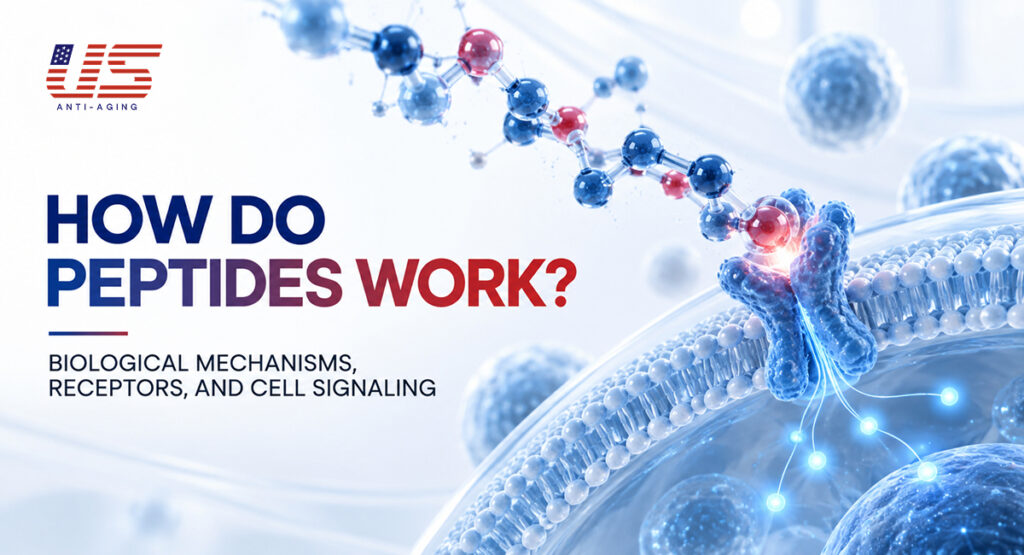
How do peptides work? Peptides function as biological messengers, signaling molecules, and regulatory components that influence how cells communicate and respond to their environment. Many peptides interact with specific receptors, triggering intracellular signaling pathways that regulate processes such as metabolism, cellular growth, and gene expression. However, their biological effects depend on molecular structure, receptor compatibility, […]