
Top 4 Peptides for Recovery Research: Mechanisms and Scientific Evidence
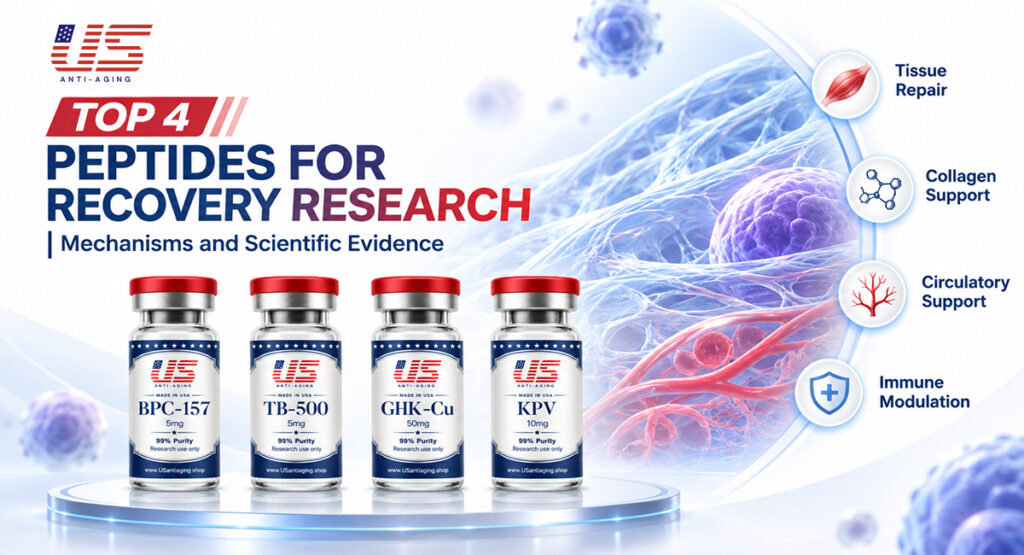
The top peptides for recovery research featured in this article are BPC-157, TB-500, KPV, and the GLOW peptide blend. Scientists investigate these compounds in connection with cellular migration, inflammatory signaling, vascular responses, and extracellular matrix remodeling. However, each compound has a different molecular structure, experimental purpose, and level of scientific evidence. While BPC-157 has a […]
Peptides and Tissue Remodeling: Extracellular Matrix, Collagen, and Cellular Research
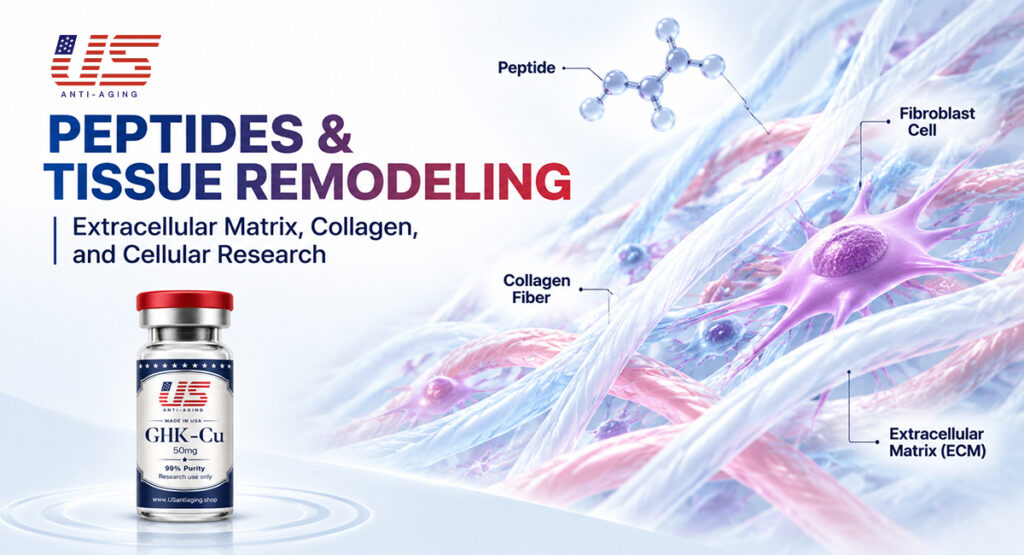
Peptides and tissue remodeling represent an area of biological research examining how peptide molecules interact with fibroblasts, collagen metabolism, extracellular matrix (ECM) organization, and cellular signaling. Scientists investigate whether specific peptides influence matrix synthesis, protein degradation, cellular adhesion, and the structural properties of experimental tissues. However, tissue remodeling requires a balance between matrix production and […]
BPC-157 vs TB-500: Molecular Differences, Research Mechanisms, and Scientific Evidence
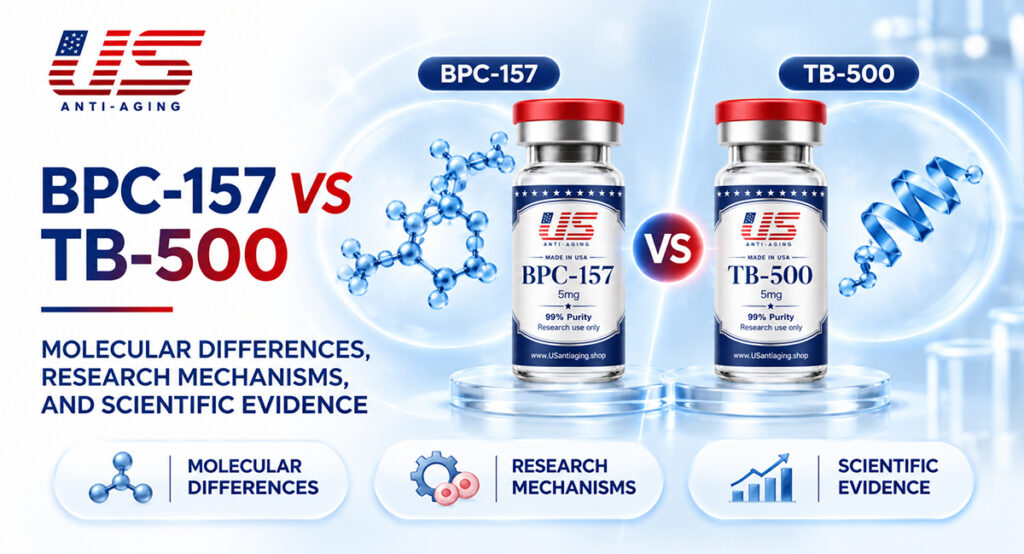
BPC-157 vs TB-500 is a comparison of two investigational peptides with different molecular origins, structures, and research mechanisms. BPC-157 is a synthetic 15-amino-acid peptide studied primarily in experimental injury and cellular signaling models. TB-500 commonly refers to a seven-amino-acid fragment of thymosin beta-4, although researchers and commercial suppliers sometimes use the name for different molecular […]
GLOW Peptide Blend Research: Composition, Molecular Characteristics, and Evidence Limitations
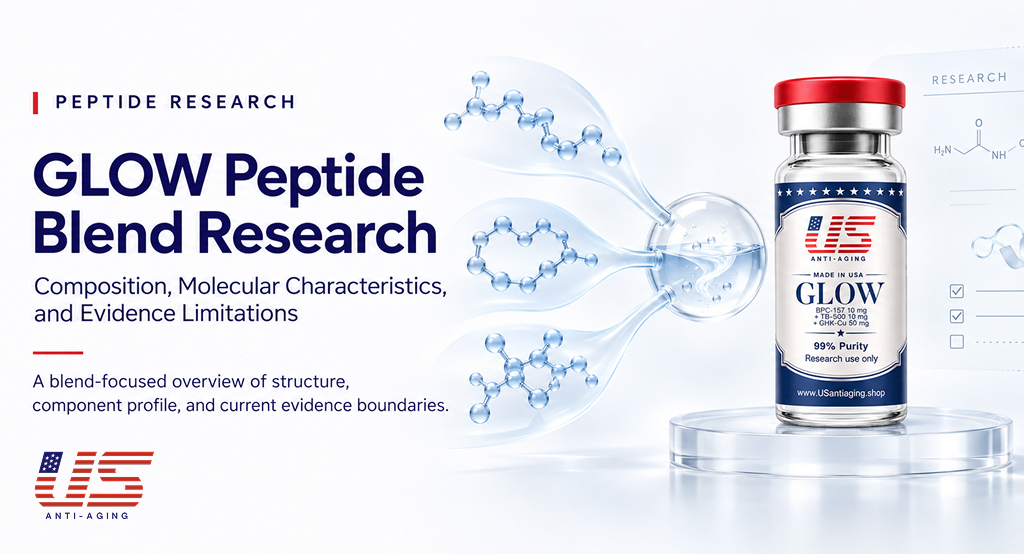
GLOW Peptide Blend Research examines multi-peptide formulations commonly combining GHK-Cu, BPC-157, and TB-500. These compounds have distinct molecular structures and experimental research backgrounds involving extracellular matrix activity, cellular signaling, and peptide metabolism. However, GLOW is a formulation name rather than a standardized scientific compound. Its ingredients and concentrations can vary, and evidence involving individual peptides […]
Peptides in Tissue Repair Research: Biological Mechanisms and Current Evidence
Peptides in tissue repair research are investigated for their potential roles in cellular communication, inflammation regulation, extracellular matrix remodeling, and tissue regeneration. Scientists examine how these molecules influence fibroblast activity, cell migration, angiogenesis, and other biological processes involved in repairing damaged tissues. However, not all peptides act through the same mechanisms, and most investigational compounds […]