
Top 4 Peptides for Recovery Research: Mechanisms and Scientific Evidence
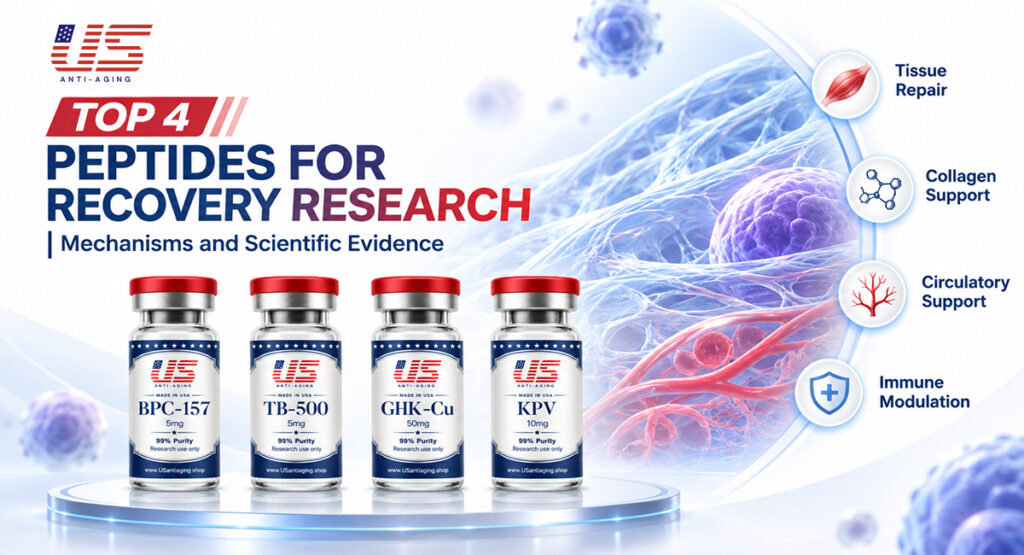
The top peptides for recovery research featured in this article are BPC-157, TB-500, KPV, and the GLOW peptide blend. Scientists investigate these compounds in connection with cellular migration, inflammatory signaling, vascular responses, and extracellular matrix remodeling. However, each compound has a different molecular structure, experimental purpose, and level of scientific evidence. While BPC-157 has a […]
BPC-157 vs TB-500: Molecular Differences, Research Mechanisms, and Scientific Evidence
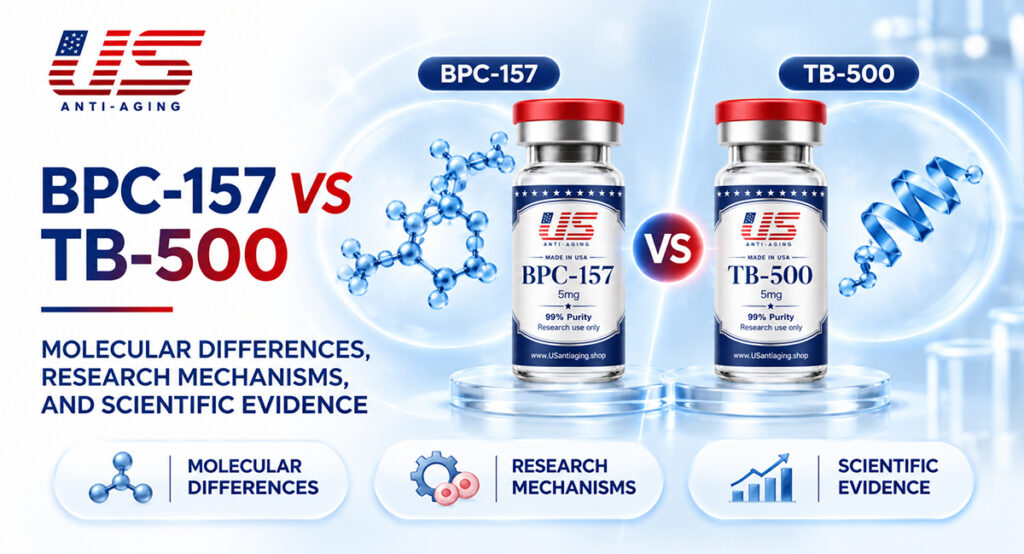
BPC-157 vs TB-500 is a comparison of two investigational peptides with different molecular origins, structures, and research mechanisms. BPC-157 is a synthetic 15-amino-acid peptide studied primarily in experimental injury and cellular signaling models. TB-500 commonly refers to a seven-amino-acid fragment of thymosin beta-4, although researchers and commercial suppliers sometimes use the name for different molecular […]
GLOW Peptide Blend Research: Composition, Molecular Characteristics, and Evidence Limitations
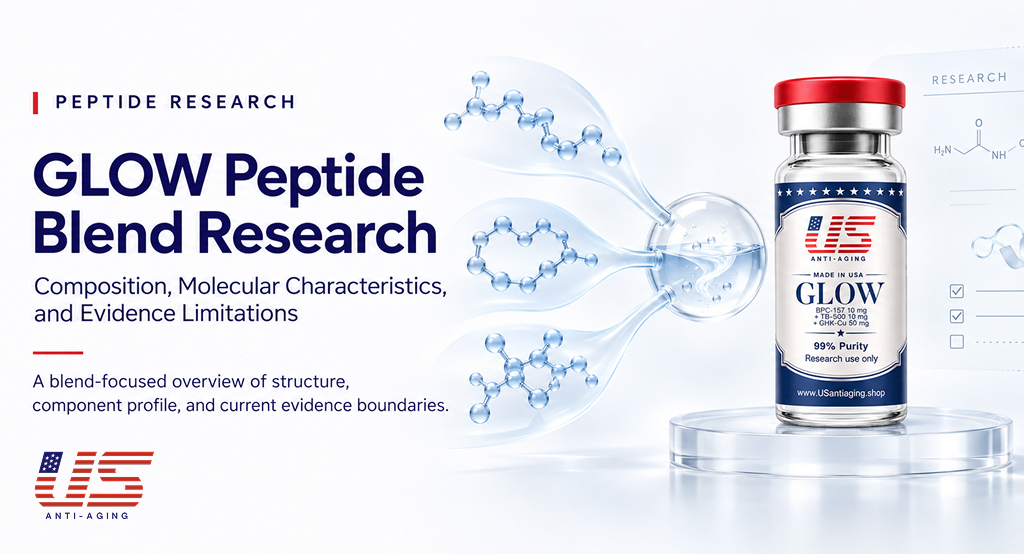
GLOW Peptide Blend Research examines multi-peptide formulations commonly combining GHK-Cu, BPC-157, and TB-500. These compounds have distinct molecular structures and experimental research backgrounds involving extracellular matrix activity, cellular signaling, and peptide metabolism. However, GLOW is a formulation name rather than a standardized scientific compound. Its ingredients and concentrations can vary, and evidence involving individual peptides […]
TB-500 Research: Molecular Structure, Thymosin Beta-4, and Preclinical Evidence
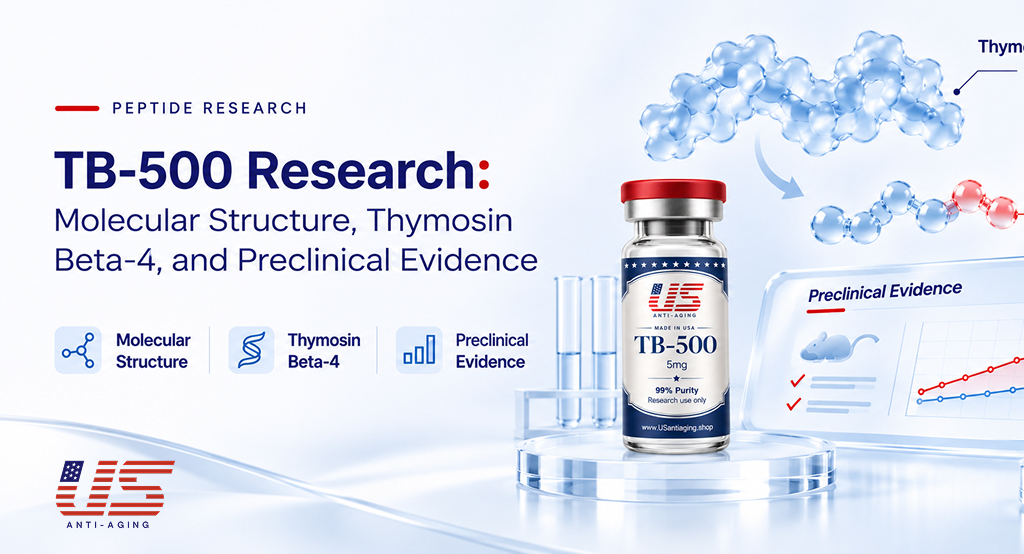
TB-500 research investigates a synthetic peptide fragment derived from thymosin beta-4, a naturally occurring protein involved in actin regulation and cellular movement. Researchers have studied TB-500-related sequences for their molecular characteristics, metabolism, and potential interactions with processes associated with tissue repair. However, an important distinction exists: TB-500 and full-length thymosin beta-4 are not necessarily the […]