
Top 4 Peptides for Recovery Research: Mechanisms and Scientific Evidence
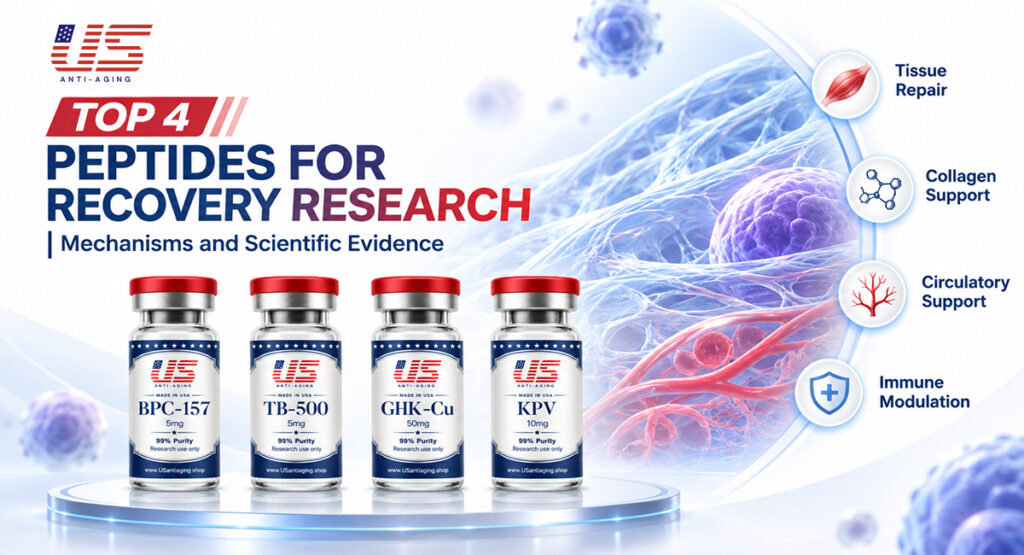
The top peptides for recovery research featured in this article are BPC-157, TB-500, KPV, and the GLOW peptide blend. Scientists investigate these compounds in connection with cellular migration, inflammatory signaling, vascular responses, and extracellular matrix remodeling. However, each compound has a different molecular structure, experimental purpose, and level of scientific evidence. While BPC-157 has a […]
Peptides and Tissue Remodeling: Extracellular Matrix, Collagen, and Cellular Research
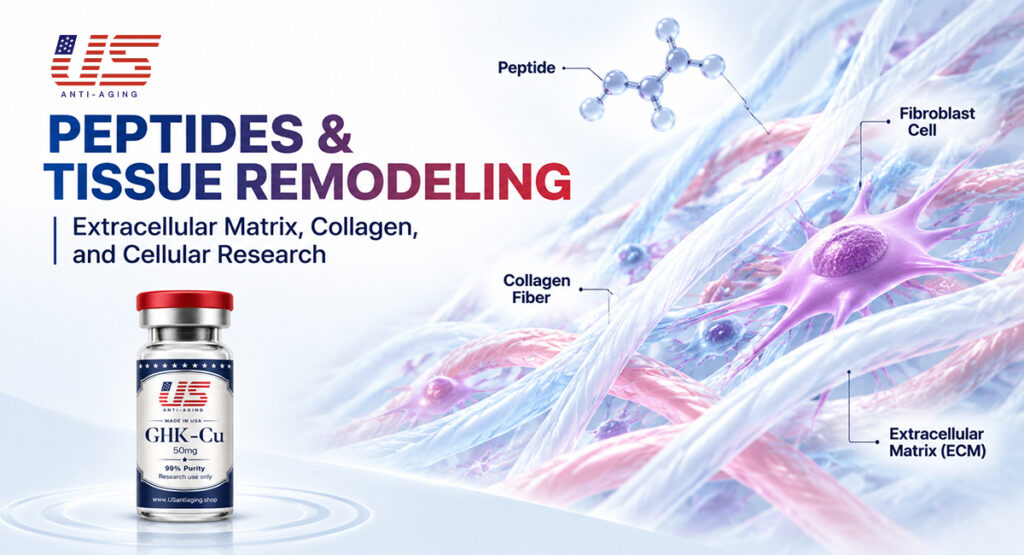
Peptides and tissue remodeling represent an area of biological research examining how peptide molecules interact with fibroblasts, collagen metabolism, extracellular matrix (ECM) organization, and cellular signaling. Scientists investigate whether specific peptides influence matrix synthesis, protein degradation, cellular adhesion, and the structural properties of experimental tissues. However, tissue remodeling requires a balance between matrix production and […]
Peptides and Angiogenesis: VEGF Signaling, Endothelial Cells, and Research Evidence
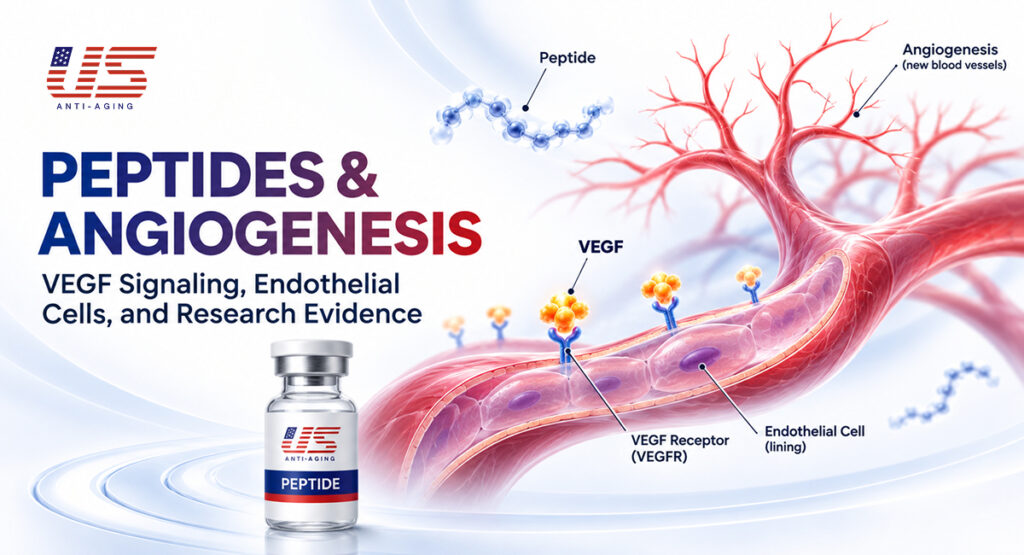
Peptides and angiogenesis represent an important area of biological research examining how peptide molecules influence blood vessel formation, endothelial cell behavior, and vascular signaling. Scientists investigate these interactions through pathways involving vascular endothelial growth factor (VEGF), cellular migration, proliferation, and extracellular matrix remodeling. However, peptides do not universally stimulate angiogenesis. Depending on their molecular structure […]
Peptides and Inflammation Research: Cytokine Signaling and Preclinical Evidence
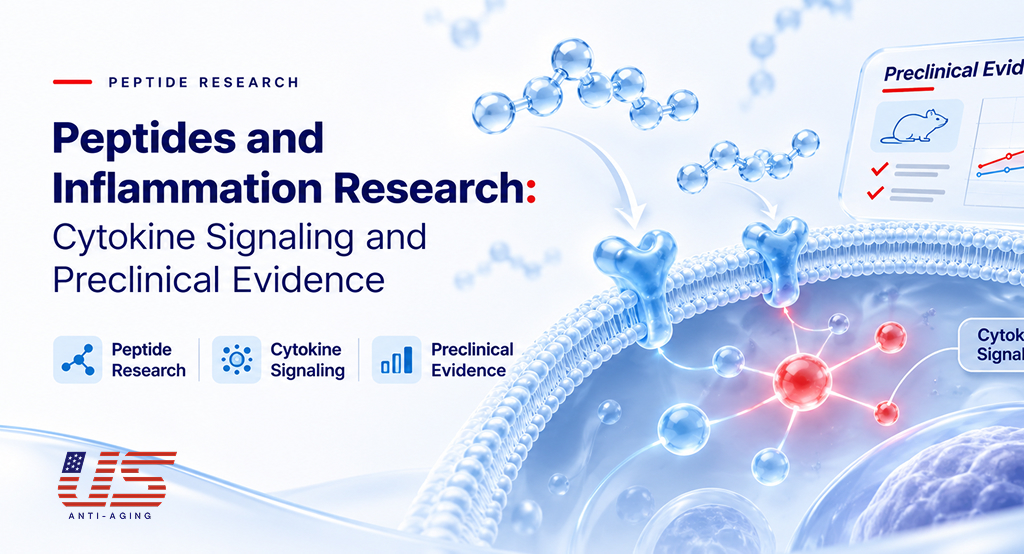
Peptides and inflammation research examines how peptide molecules interact with immune signaling, cytokine production, and cellular processes associated with inflammatory responses. Scientists investigate whether specific peptides influence pathways such as nuclear factor kappa B (NF-κB), mitogen-activated protein kinases (MAPKs), and receptor-mediated immune communication. However, peptides do not share a universal inflammatory mechanism. Their activities depend […]
BPC-157 vs TB-500: Molecular Differences, Research Mechanisms, and Scientific Evidence
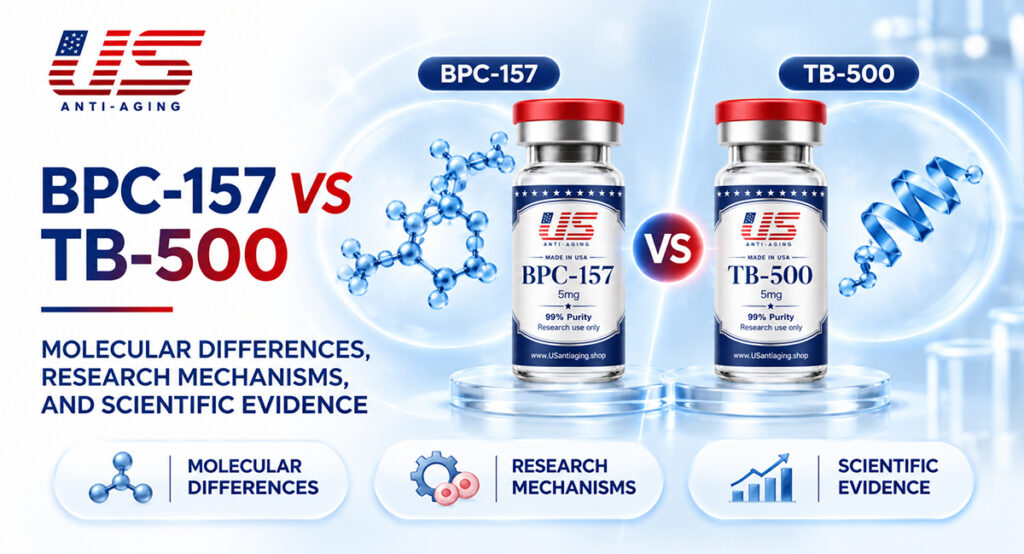
BPC-157 vs TB-500 is a comparison of two investigational peptides with different molecular origins, structures, and research mechanisms. BPC-157 is a synthetic 15-amino-acid peptide studied primarily in experimental injury and cellular signaling models. TB-500 commonly refers to a seven-amino-acid fragment of thymosin beta-4, although researchers and commercial suppliers sometimes use the name for different molecular […]
GLOW Peptide Blend Research: Composition, Molecular Characteristics, and Evidence Limitations
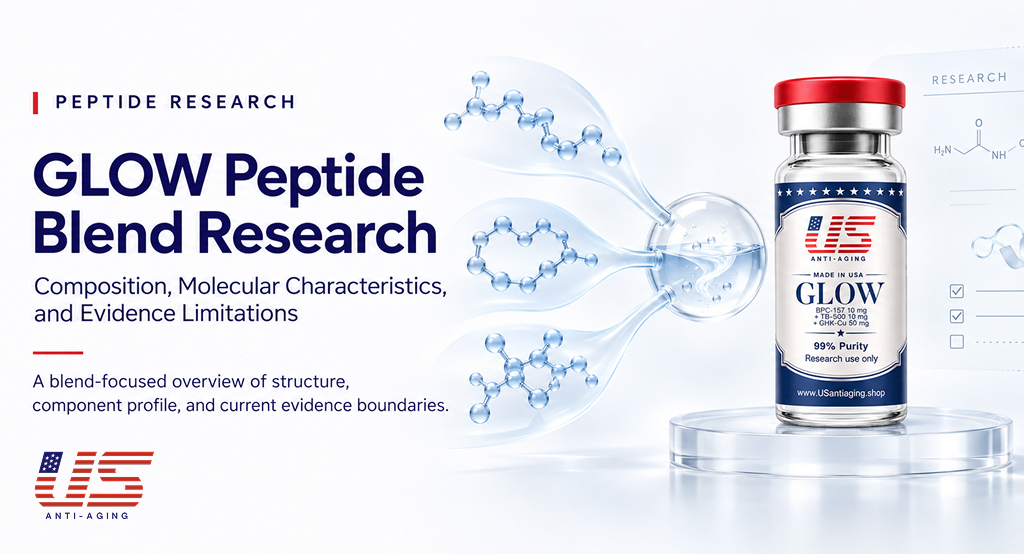
GLOW Peptide Blend Research examines multi-peptide formulations commonly combining GHK-Cu, BPC-157, and TB-500. These compounds have distinct molecular structures and experimental research backgrounds involving extracellular matrix activity, cellular signaling, and peptide metabolism. However, GLOW is a formulation name rather than a standardized scientific compound. Its ingredients and concentrations can vary, and evidence involving individual peptides […]
KPV Peptide Research: Molecular Structure, Inflammatory Signaling, and Preclinical Evidence
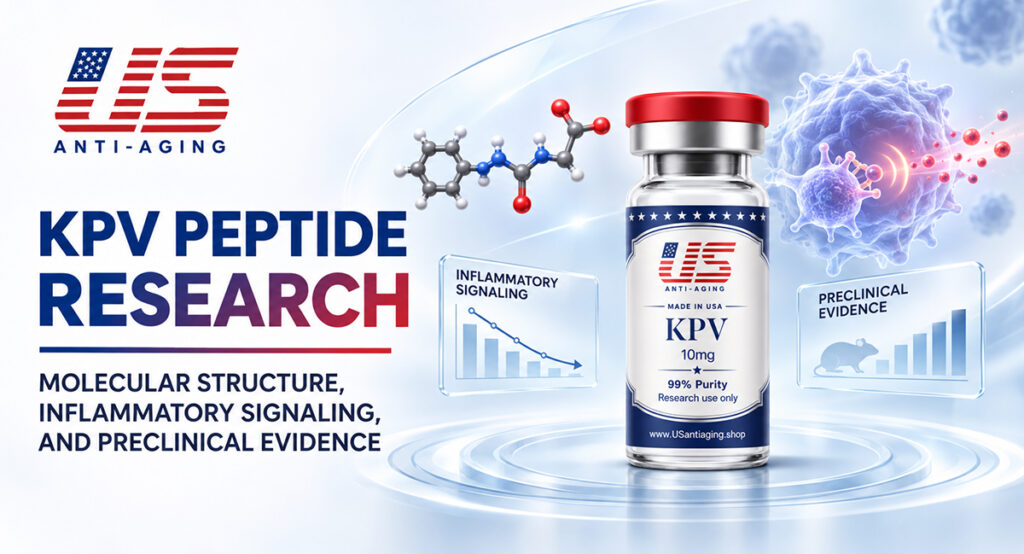
KPV Peptide Research investigates a three-amino-acid peptide derived from alpha-melanocyte-stimulating hormone (α-MSH). Scientists study KPV, or lysine-proline-valine, for its effects on inflammatory signaling, intestinal epithelial cells, and experimental models of tissue inflammation. Laboratory findings suggest that KPV can influence NF-κB and MAPK signaling, although its precise molecular targets remain incompletely understood. Importantly, existing evidence comes […]
TB-500 Research: Molecular Structure, Thymosin Beta-4, and Preclinical Evidence
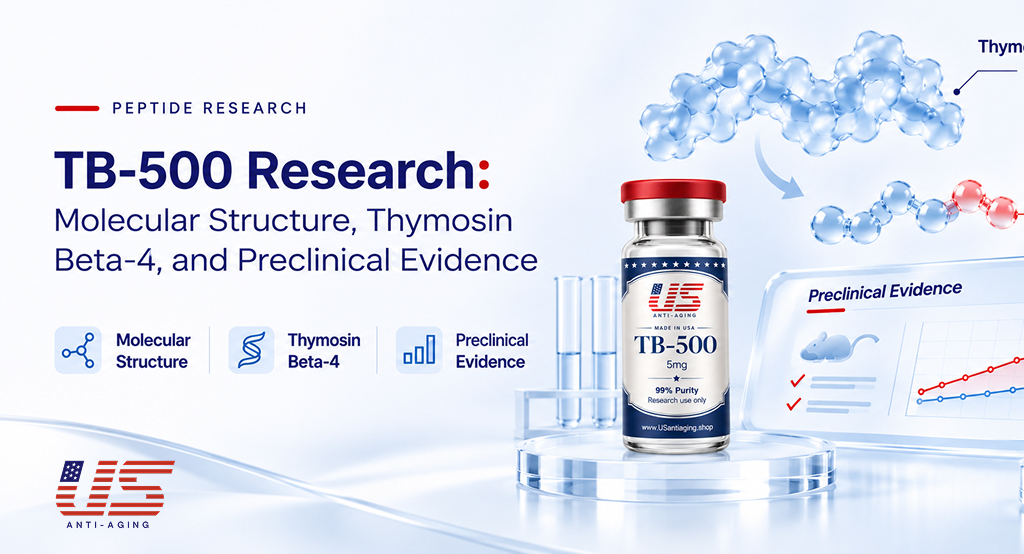
TB-500 research investigates a synthetic peptide fragment derived from thymosin beta-4, a naturally occurring protein involved in actin regulation and cellular movement. Researchers have studied TB-500-related sequences for their molecular characteristics, metabolism, and potential interactions with processes associated with tissue repair. However, an important distinction exists: TB-500 and full-length thymosin beta-4 are not necessarily the […]
BPC-157 Research: Molecular Mechanisms, Preclinical Studies, and Scientific Evidence
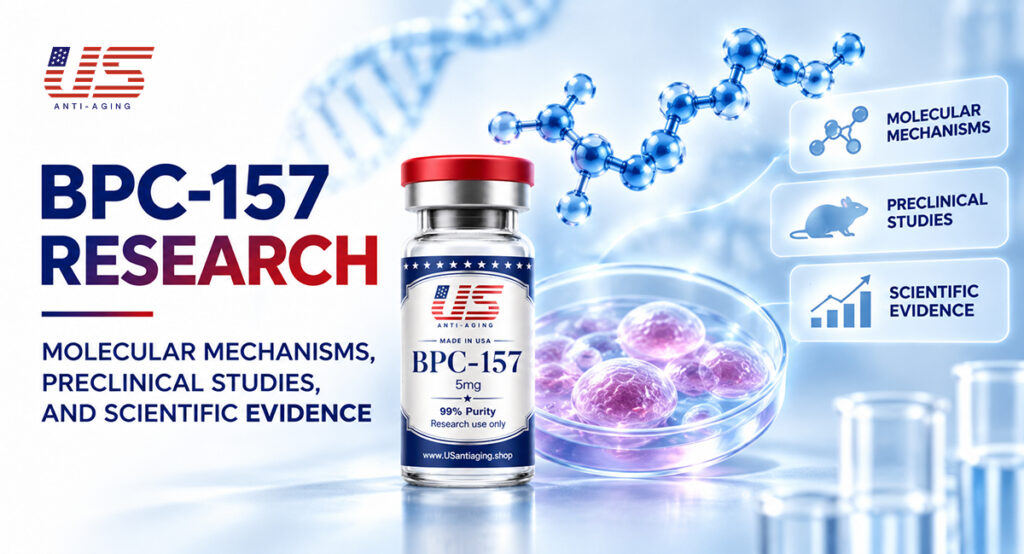
BPC-157 research investigates a synthetic 15-amino-acid peptide for its interactions with cellular signaling pathways, vascular responses, and tissue-related biological processes. Laboratory and animal studies have examined its effects on cell migration, angiogenesis, and experimental musculoskeletal injuries. However, its precise molecular targets remain incompletely understood, and controlled human evidence is insufficient to establish clinical effectiveness or […]
Peptides in Tissue Repair Research: Biological Mechanisms and Current Evidence
Peptides in tissue repair research are investigated for their potential roles in cellular communication, inflammation regulation, extracellular matrix remodeling, and tissue regeneration. Scientists examine how these molecules influence fibroblast activity, cell migration, angiogenesis, and other biological processes involved in repairing damaged tissues. However, not all peptides act through the same mechanisms, and most investigational compounds […]